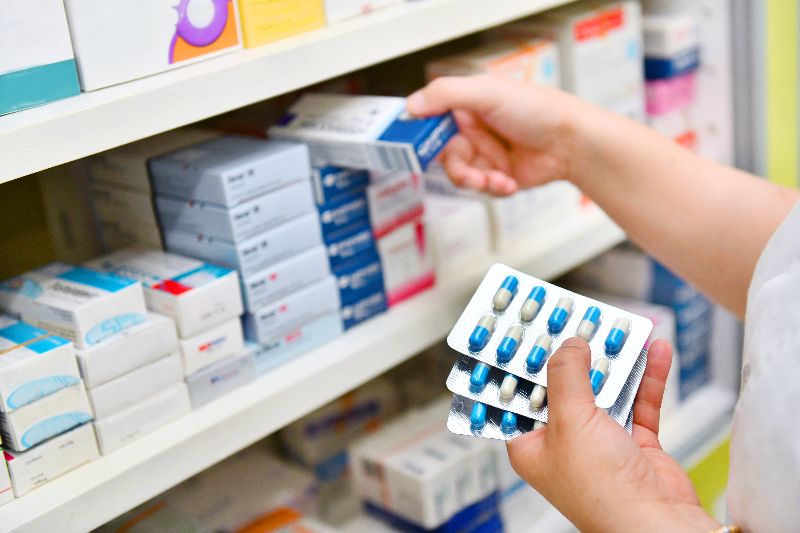
When most people think of a pharmacy, they often associate it with filling prescriptions and purchasing medications. However, modern pharmacies have evolved into comprehensive healthcare hubs that offer a wide range of services designed to improve patient health, convenience, and access to medical care.
Today, pharmacies play a critical role in preventive healthcare, chronic disease management, health education, and wellness monitoring. Whether you're looking for vaccinations, medication counseling, health screenings, or prescription delivery services, your local pharmacy may offer far more than you realize.
In this guide, we'll explore the essential services offered by modern pharmacies beyond prescription refills and explain how these services contribute to better healthcare outcomes for individuals and communities.
Healthcare systems worldwide continue to face challenges such as physician shortages, rising healthcare costs, and increasing rates of chronic diseases. As a result, pharmacies have become valuable healthcare access points for millions of people.
Community pharmacies are often more accessible than hospitals or clinics, with extended operating hours and convenient locations. Many patients visit their pharmacist more frequently than their primary healthcare provider, making pharmacies an important source of healthcare support and education.
By offering expanded healthcare services, pharmacies help improve patient outcomes while reducing pressure on hospitals and medical facilities.
One of the most valuable pharmacy services available today is Medication Therapy Management (MTM).
Medication Therapy Management involves a comprehensive review of a patient's medications to ensure they are being used safely and effectively. Pharmacists evaluate prescription drugs, over-the-counter medications, vitamins, and supplements to identify potential issues.
Patients with multiple prescriptions, chronic illnesses, or complex treatment plans can benefit significantly from regular medication reviews.
Many modern pharmacies now provide vaccination services, making preventive healthcare more convenient and accessible.
Common pharmacy-administered vaccines include:
Pharmacy-based immunization programs help increase vaccination rates by offering flexible scheduling and walk-in appointments. This accessibility is particularly important for individuals with busy schedules or limited access to healthcare facilities.
Receiving vaccinations at a pharmacy is often quicker and more convenient than scheduling a doctor's appointment.
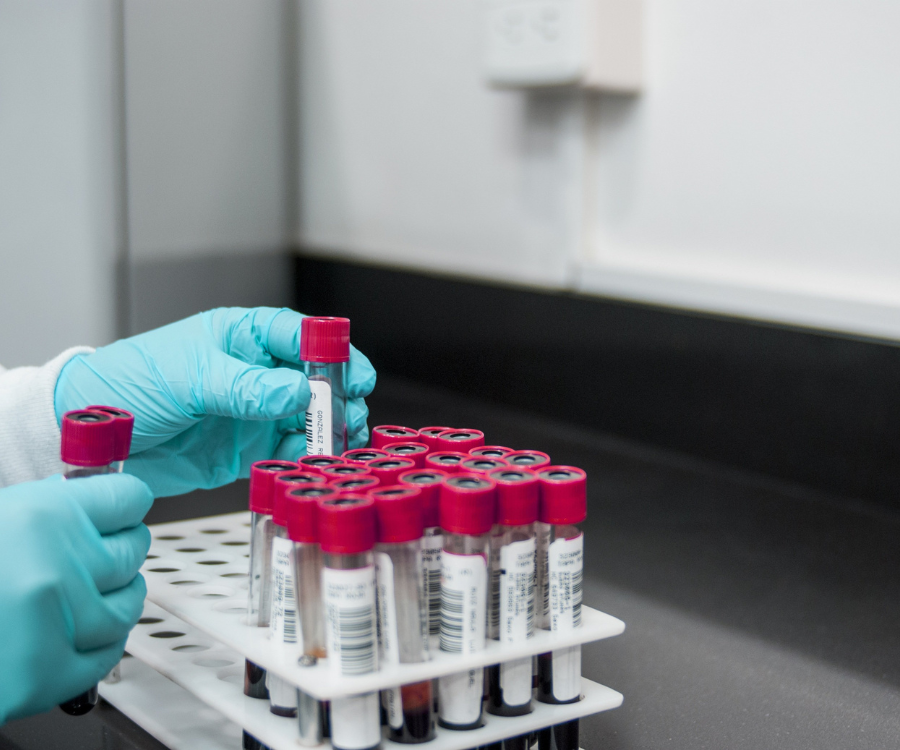
Many pharmacies now offer health screenings that can help detect potential health issues before symptoms appear.
Blood Pressure Monitoring
High blood pressure is often called the "silent killer" because it frequently develops without noticeable symptoms. Regular blood pressure checks at a pharmacy can help identify hypertension early.
Blood Glucose Testing
Blood sugar screenings help identify prediabetes and diabetes, allowing patients to seek early treatment and lifestyle interventions.
Cholesterol Testing
Cholesterol screenings can assess cardiovascular health and identify risk factors for heart disease and stroke.
Body Mass Index (BMI) Assessments
Some pharmacies provide BMI measurements and weight management counseling to support healthier lifestyles.
Taking medications correctly is essential for successful treatment outcomes. Unfortunately, many patients struggle with medication adherence due to forgetfulness, confusion, or complex dosing schedules.
Modern pharmacies offer various solutions to help patients stay on track.
These services help ensure that patients take medications consistently and according to their healthcare provider's instructions.
Pharmacists are increasingly involved in helping patients manage chronic health conditions.
Through ongoing counseling and monitoring, pharmacists help patients understand their medications, manage side effects, and maintain treatment plans.
Regular interaction with pharmacists can improve disease control and reduce complications associated with chronic illnesses.
Convenience is a major factor in modern healthcare, and many pharmacies now offer prescription delivery services.
Home delivery services became especially important during public health emergencies and continue to be a popular option for many patients.
Digital healthcare solutions have transformed how patients interact with pharmacies.
Many pharmacies now provide online platforms and mobile applications that allow patients to:
Online pharmacy services improve convenience while helping patients manage their healthcare more efficiently.
Pharmacists are highly trained healthcare professionals who can provide valuable health information and medication guidance.
Many people overlook the expertise available through pharmacist consultations. In many cases, pharmacists can help patients address concerns quickly without requiring an immediate doctor's appointment.
Some pharmacies offer travel health consultations and vaccinations for individuals planning international trips.
Travel health services may include:
These services help travelers stay protected while visiting regions with unique health risks.
Smoking remains one of the leading causes of preventable disease worldwide.
Many pharmacies offer smoking cessation support programs that help individuals quit tobacco use.
Pharmacists can provide personalized guidance that increases the likelihood of successful smoking cessation.
Some modern pharmacies have expanded into preventive health and wellness services.
These programs may include:
Supporting healthy lifestyle changes can help reduce the risk of chronic diseases and improve overall quality of life.
Community pharmacies are becoming increasingly important components of healthcare delivery systems.
As healthcare evolves, pharmacies continue to expand their services to meet patient needs. By offering preventive care, chronic disease support, vaccinations, screenings, and medication management, pharmacies provide accessible healthcare solutions for people of all ages.
For patients, these expanded services mean greater convenience, improved health outcomes, and easier access to professional healthcare advice.
Modern pharmacies offer far more than prescription refills. Today's pharmacies provide a wide range of healthcare services, including medication therapy management, vaccinations, health screenings, chronic disease support, prescription delivery, online prescription management, and wellness programs.
These services make pharmacies an essential part of the healthcare system, helping patients access quality care conveniently and efficiently. Whether you're managing a chronic condition, seeking preventive healthcare, or simply looking for professional medication advice, your local pharmacy can be a valuable healthcare resource.
As pharmacies continue to expand their role in patient care, individuals can benefit from improved access to healthcare services, better medication management, and enhanced support for long-term wellness.
Subscribe to our newsletter and don’t miss anything