Vaccinations are among the most effective public health interventions ever developed. They protect individuals, families, and communities from serious infectious diseases by helping the body's immune system recognize and fight harmful viruses and bacteria before they cause illness.
Although many people associate vaccines with childhood, immunization is important throughout life. Children require vaccines to build immunity during their early years, while adults benefit from vaccinations that maintain protection, reduce the risk of complications, and prevent the spread of infectious diseases.
In Nigeria, vaccination remains a cornerstone of preventive healthcare. Routine immunization programmes have significantly reduced the burden of vaccine-preventable diseases, saving countless lives each year. Whether you are a parent looking for childhood immunization services or an adult seeking recommended vaccines, understanding the importance of vaccination can help you make informed healthcare decisions.
For those searching for vaccinations in Nigeria or looking for trusted vaccination centres, a reliable medical services directory makes it easier to find hospitals, clinics, Primary Healthcare Centres, and healthcare providers offering immunization services.
Vaccinations are medical preparations that stimulate the body's immune system to recognize and defend against specific diseases. A vaccine exposes the immune system to a harmless form or component of a disease-causing organism, allowing the body to develop immunity without causing the illness itself.
If a vaccinated person is later exposed to the actual disease, the immune system can respond more quickly and effectively, reducing the risk of severe illness, complications, or death.
Vaccination is one of the safest and most cost-effective ways to prevent many infectious diseases.
Vaccines provide protection not only for the individual receiving them but also for the wider community. High vaccination coverage reduces the spread of infectious diseases, helping protect people who cannot be vaccinated because of certain medical conditions or age.
The benefits of vaccination include:
Preventing serious infectious diseases
Reducing hospital admissions
Lowering the risk of disability and death
Protecting vulnerable populations
Supporting healthy childhood development
Preventing disease outbreaks
Reducing healthcare costs
Contributing to longer, healthier lives
Vaccination is an essential part of preventive healthcare and remains one of the most effective tools for improving public health.
Children are especially vulnerable to infectious diseases because their immune systems are still developing. Routine childhood immunization helps protect them during this critical stage of life.
Parents should ensure that children receive vaccines according to the recommended immunization schedule provided by healthcare professionals.
Common childhood vaccines help protect against diseases such as:
Tuberculosis
Polio
Hepatitis B
Diphtheria
Tetanus
Pertussis (whooping cough)
Measles
Rubella
Mumps
Yellow fever
Pneumococcal disease
Rotavirus infection
Meningitis (where recommended)
Receiving vaccines on time provides the best protection and helps reduce the spread of preventable diseases.
Healthcare providers follow recommended immunization schedules to determine when vaccines should be administered. Some vaccines are given shortly after birth, while others require multiple doses during infancy, childhood, adolescence, or adulthood.
Parents should keep an updated immunization record and attend scheduled appointments to ensure children receive all recommended doses.
If a vaccination is missed, healthcare professionals can advise on catch-up vaccination schedules to restore protection.
Many adults assume that vaccines are only necessary during childhood, but immunity can decrease over time, and some vaccines are recommended later in life or for specific circumstances.
Adult vaccination is particularly important for:
Older adults
Healthcare workers
Pregnant women (based on medical advice)
People living with chronic medical conditions
Individuals with weakened immune systems
International travellers
Adults who missed childhood vaccinations
Keeping vaccinations up to date helps reduce the risk of illness and serious complications.
Depending on age, health status, occupation, travel plans, and individual risk factors, healthcare providers may recommend vaccines such as:
Protection against tetanus decreases over time, so booster doses may be recommended periodically.
Seasonal influenza vaccination may be recommended for individuals at higher risk of complications, including older adults and people with certain medical conditions.
Adults who were not vaccinated during childhood or who are at increased risk of exposure may benefit from hepatitis B vaccination.
The HPV vaccine helps protect against certain types of HPV that can cause cervical cancer and other diseases. Eligibility depends on age and individual circumstances.
Yellow fever vaccination may be required for travel to certain countries and remains important in areas where the disease is present.
Older adults and individuals with certain chronic health conditions may benefit from protection against pneumococcal disease.
Healthcare professionals can recommend appropriate vaccines based on each person's health profile.
Pregnancy is an important time to discuss vaccination with a healthcare provider. Certain vaccines may help protect both the mother and the baby, while others are not recommended during pregnancy.
Expectant mothers should consult qualified healthcare professionals before receiving any vaccine to determine what is appropriate for their stage of pregnancy and overall health.
Regular antenatal care provides an opportunity to review vaccination status and discuss preventive healthcare measures.
Vaccines undergo extensive research, clinical testing, and regulatory review before they are approved for use. Ongoing monitoring continues even after vaccines become available to ensure they remain safe and effective.
Like any medicine, vaccines can cause side effects, but these are usually mild and temporary.
Common side effects may include:
Mild pain at the injection site
Slight swelling or redness
Low-grade fever
Fatigue
Mild muscle aches
Serious allergic reactions are rare, and healthcare providers are trained to manage them if they occur.
If you have concerns about vaccination or a history of severe allergic reactions, discuss them with your healthcare provider before receiving a vaccine.
Misinformation can discourage people from getting vaccinated. Understanding the facts helps individuals make informed decisions.
Most vaccines do not contain live disease-causing organisms capable of causing the illness they protect against. They are designed to safely stimulate the immune system.
Even healthy individuals can become infected with vaccine-preventable diseases. Vaccination reduces the likelihood of infection and severe illness.
Some vaccines require booster doses, while others are recommended later in life because of changing health risks or reduced immunity.
Although recovering from certain infections can provide immunity, the disease itself may cause serious complications. Vaccination offers protection without exposing individuals to those risks.
Discuss any questions or concerns with a qualified healthcare professional rather than relying on unverified sources.
Vaccination protects entire communities through a concept known as herd immunity. When a high proportion of people are vaccinated, diseases have fewer opportunities to spread.
This helps protect:
Newborn babies
Older adults
People receiving cancer treatment
Individuals with weakened immune systems
People who cannot receive certain vaccines for medical reasons
Strong immunization programmes are essential for preventing outbreaks and supporting healthier communities.
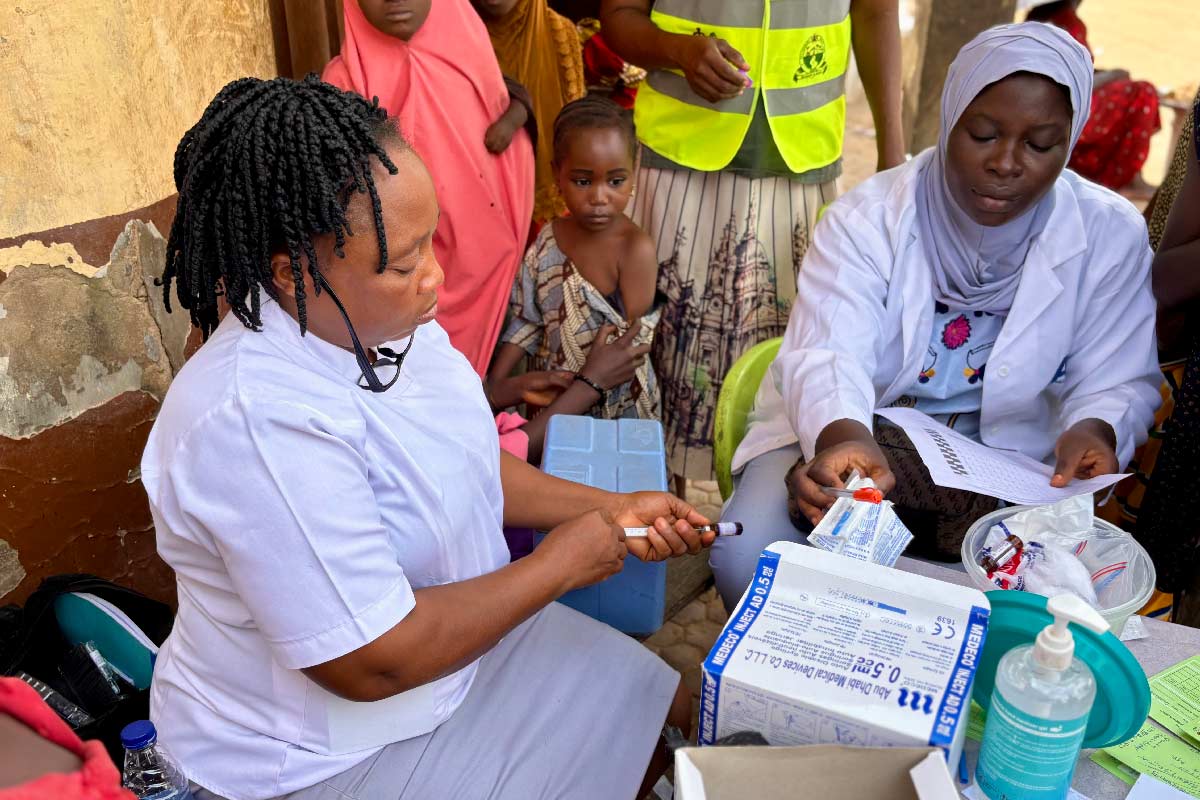
Vaccination services are widely available across Nigeria through:
Primary Healthcare Centres
Government hospitals
Private hospitals
Family medicine clinics
Paediatric clinics
Community health centres
Travel health clinics
Accredited vaccination centres
Many healthcare facilities also provide vaccination counselling, immunization records, and reminders for follow-up doses.
A trusted medical services directory in Nigeria can help patients locate nearby vaccination centres, compare available services, view contact information, and identify healthcare providers offering childhood and adult immunization.
When selecting a healthcare facility for immunization, consider the following factors:
Qualified healthcare professionals
Availability of recommended vaccines
Proper vaccine storage and handling
Clean and safe clinical environment
Convenient location
Flexible operating hours
Positive patient reviews
Reliable follow-up support
Choosing a reputable vaccination centre helps ensure safe and effective immunization.
Advances in medical research, digital health technologies, and public health programmes are improving access to vaccination services across Nigeria. Electronic immunization records, reminder systems, mobile health applications, and expanded outreach programmes are helping more people stay up to date with recommended vaccines.
Continued investment in healthcare infrastructure, community education, and vaccine availability will strengthen disease prevention efforts and contribute to healthier populations nationwide.
Healthcare directories will also play an increasingly important role by helping individuals quickly locate trusted vaccination centres and healthcare providers.
Vaccinations remain one of the most effective ways to prevent infectious diseases and protect people of all ages. From childhood immunization to adult booster doses and travel vaccines, staying up to date with recommended vaccinations supports individual health and strengthens community protection.
Whether you are scheduling your child's routine immunizations, updating your own vaccinations, or seeking advice before international travel, consulting qualified healthcare professionals is essential. A trusted medical services directory can help you find hospitals, clinics, Primary Healthcare Centres, paediatricians, family physicians, and vaccination centres offering vaccination services in Nigeria.
By making vaccination a routine part of preventive healthcare, individuals and families can reduce the risk of serious illness, support healthier communities, and contribute to a stronger public health system for future generations.
Subscribe to our newsletter and don’t miss anything