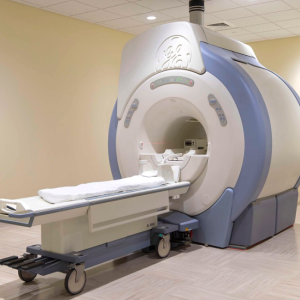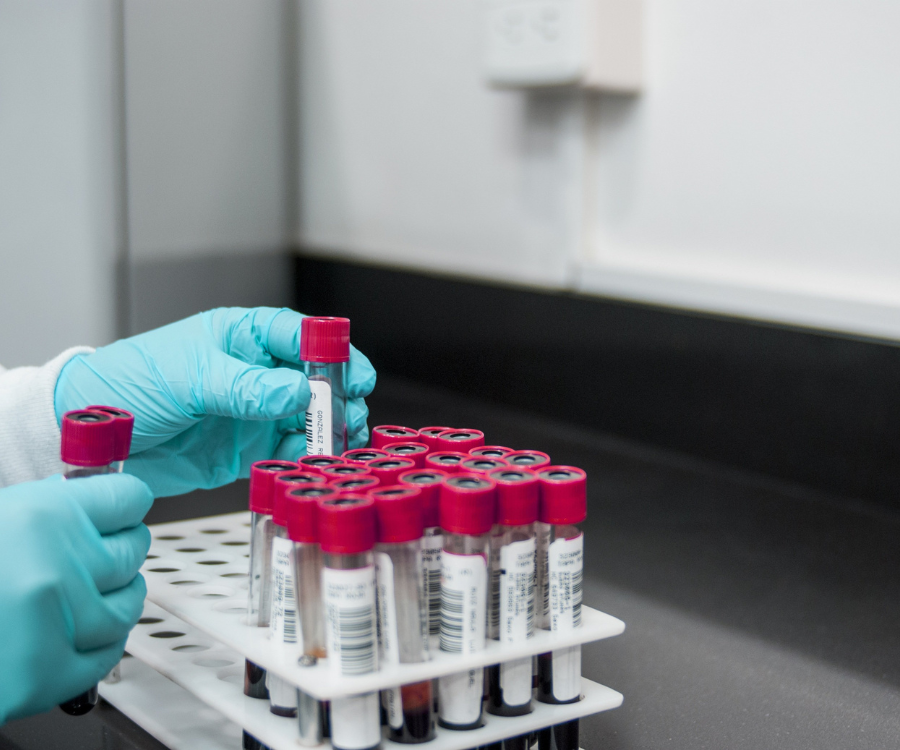

Nigeria's healthcare sector is undergoing a significant transformation driven by technology. From online doctor consultations and electronic medical records to mobile health applications and artificial intelligence, digital healthcare in Nigeria is reshaping how patients access medical services and how healthcare providers deliver care.
As internet connectivity improves and smartphone usage continues to grow, digital solutions are making healthcare more accessible, efficient, and patient-centered. These innovations are particularly important in a country where millions of people face challenges such as long travel distances to healthcare facilities, shortages of medical professionals, and overcrowded hospitals.
For individuals searching online for trusted medical services in Nigeria, digital healthcare is making it easier than ever to find hospitals, clinics, diagnostic centres, pharmacies, and specialists. At the same time, healthcare listing platforms are becoming valuable tools that connect patients with verified providers across the country.
In this article, we explore the future of digital healthcare in Nigeria, the technologies driving change, the benefits for patients and healthcare providers, the challenges that remain, and what lies ahead for the country's rapidly evolving health sector.
Digital healthcare refers to the use of technology to improve the delivery, management, and accessibility of healthcare services. It combines healthcare with digital tools to enhance communication, diagnosis, treatment, monitoring, and patient engagement.
Examples of digital healthcare include:
Telemedicine and virtual consultations
Electronic Health Records (EHRs)
Mobile health (mHealth) applications
Online appointment booking
Digital prescriptions
Remote patient monitoring
Wearable health devices
Artificial Intelligence (AI) in healthcare
Electronic laboratory reporting
Online healthcare directories
These innovations are helping healthcare providers deliver better services while giving patients faster access to medical care.
Nigeria has one of Africa's largest populations, with healthcare demand growing every year. However, many communities still struggle with limited access to quality medical facilities and healthcare professionals.
Digital healthcare helps bridge this gap by reducing geographical barriers and making healthcare services available beyond the walls of traditional hospitals.
Some of the major benefits include:
Improved access to healthcare in rural communities
Reduced waiting times for consultations
Better communication between doctors and patients
Faster diagnosis and treatment
Easier access to medical records
Improved disease monitoring
More efficient hospital operations
Increased patient convenience
These advantages position digital healthcare in Nigeria as a key driver of future healthcare development.
One of the fastest-growing areas of digital healthcare is telemedicine.
Telemedicine in Nigeria allows patients to consult qualified healthcare professionals using smartphones, computers, or other internet-enabled devices without visiting a hospital in person.
Virtual consultations are especially useful for:
Follow-up appointments
Minor illnesses
Mental health support
Chronic disease management
Medical advice
Prescription renewals
Health education
Telemedicine also benefits people living in remote communities where specialist healthcare services may not be readily available.
As internet coverage expands across Nigeria, virtual healthcare consultations are expected to become increasingly common.
Paper medical records have traditionally dominated many healthcare facilities in Nigeria.
Today, more hospitals and clinics are adopting Electronic Health Records (EHRs), allowing patient information to be stored digitally.
Digital records offer several advantages:
Faster access to patient history
Reduced paperwork
Improved accuracy
Better coordination between healthcare providers
Easier referrals
Enhanced continuity of care
Reduced duplication of medical tests
Electronic records also improve hospital efficiency and contribute to better patient outcomes.
Smartphone adoption has created enormous opportunities for mobile health applications in Nigeria.
Patients can now use health apps to:
Book medical appointments
Consult healthcare professionals
Receive medication reminders
Track blood pressure
Monitor blood sugar
Access pregnancy information
Record fitness activities
Receive vaccination reminders
Learn about disease prevention
Mobile applications encourage preventive healthcare while giving individuals greater control over their personal health.
Artificial Intelligence (AI) is beginning to influence healthcare delivery across Nigeria.
AI technologies can assist healthcare professionals by:
Supporting disease diagnosis
Analyzing medical images
Predicting disease risks
Improving hospital management
Automating administrative tasks
Enhancing patient scheduling
Supporting clinical decision-making
While AI is unlikely to replace healthcare professionals, it will continue to improve efficiency and accuracy in medical practice.
Finding trusted healthcare providers has become much easier thanks to online medical directories in Nigeria.
Healthcare listing platforms enable users to search for:
Hospitals
Medical clinics
Primary Healthcare Centres
Pharmacies
Diagnostic laboratories
Dental clinics
Eye clinics
Physiotherapy centres
Mental health professionals
Specialist doctors
Users can compare healthcare providers based on location, services offered, contact details, operating hours, and patient reviews, making it easier to choose the right provider.
For healthcare facilities, maintaining an up-to-date online listing improves visibility and helps patients discover their services.
Cashless payment solutions are becoming increasingly common in Nigerian healthcare.
Many hospitals and clinics now accept:
Card payments
Mobile banking
Bank transfers
Digital wallets
Health insurance integration
Digital payments improve convenience, reduce administrative delays, and simplify financial transactions for both patients and healthcare providers.
Remote patient monitoring enables healthcare professionals to track patients outside traditional clinical settings.
Patients with chronic conditions such as hypertension, diabetes, asthma, and heart disease can use digital devices to monitor their health and share results with healthcare providers.
Benefits include:
Early detection of complications
Reduced hospital admissions
Better disease management
Improved patient compliance
Increased convenience for elderly patients
As wearable health technology becomes more affordable, remote monitoring is expected to grow across Nigeria.
Despite its promise, digital healthcare still faces several obstacles.
Reliable internet access remains inconsistent in some rural communities, limiting the adoption of telemedicine and other online services.
Not every patient or healthcare worker is comfortable using digital tools. Continued training and education are essential for wider adoption.
Some healthcare facilities lack stable electricity, modern computer systems, or secure internet connections needed to support digital health services.
As more patient information is stored electronically, protecting sensitive health data becomes increasingly important. Healthcare providers must invest in secure systems and comply with applicable data protection requirements.
Implementing digital healthcare solutions often requires significant investment in technology, staff training, and ongoing maintenance.
Addressing these challenges will be essential for sustainable digital transformation.
The future of digital healthcare depends on collaboration between government agencies, private healthcare providers, technology companies, educational institutions, and development partners.
Important areas of focus include:
Expanding broadband internet access
Strengthening healthcare infrastructure
Promoting digital health innovation
Supporting healthcare startups
Training healthcare professionals
Encouraging electronic health record adoption
Improving cybersecurity practices
Expanding digital health financing
Partnerships between public and private sectors will accelerate innovation while improving healthcare accessibility nationwide.
Healthcare facilities that embrace digital transformation stand to benefit in several ways.
Potential advantages include:
Greater patient reach
Improved operational efficiency
Better patient communication
Increased appointment bookings
Enhanced reputation
Reduced administrative workload
Better clinical decision-making
Stronger patient retention
Maintaining an accurate online presence through a healthcare directory also helps providers attract new patients who are actively searching for medical services.
As more Nigerians turn to the internet to search for healthcare providers, medical service listing platforms play an increasingly important role in the digital health ecosystem.
A comprehensive directory allows users to:
Find nearby hospitals and clinics
Locate specialist doctors
Compare healthcare facilities
Discover pharmacies and laboratories
View contact information
Access service descriptions
Read patient reviews
Make informed healthcare decisions
For healthcare providers, directory listings improve online visibility, strengthen local search performance, and make it easier for patients to connect with their services.
The future of digital healthcare in Nigeria is promising. Continued investment in technology, stronger internet infrastructure, supportive government policies, and increasing public awareness are creating new opportunities to improve healthcare delivery.
In the coming years, patients can expect greater access to virtual consultations, smarter hospital systems, AI-assisted diagnostics, wearable health devices, electronic prescriptions, and integrated healthcare platforms that simplify every stage of the patient journey.
Healthcare providers that adopt digital solutions and maintain a strong online presence will be better positioned to meet evolving patient expectations and deliver higher-quality care.
Digital healthcare is no longer a vision for the future—it is already transforming how healthcare is delivered across Nigeria. From telemedicine and electronic health records to mobile health applications, AI, and online healthcare directories, technology is helping bridge longstanding gaps in access, efficiency, and quality of care.
For patients, these innovations make it easier to find trusted hospitals, clinics, pharmacies, laboratories, and specialists while receiving timely medical attention. For healthcare providers, digital tools improve operations, expand patient reach, and strengthen service delivery.
As Nigeria continues its journey toward a more connected and technology-driven healthcare system, digital healthcare will play a central role in achieving better health outcomes for individuals and communities alike. Medical service listing platforms will remain an essential part of this ecosystem by connecting patients with verified healthcare providers and ensuring that quality medical services are only a few clicks away.
Subscribe to our newsletter and don’t miss anything