Healthcare is one of the most essential pillars of any thriving society, and in Nigeria, Primary Healthcare Centres (PHCs) serve as the backbone of the country's healthcare delivery system. These facilities are often the first point of contact for millions of Nigerians seeking medical attention, especially in rural and underserved communities.
As more people search online for reliable medical services in Nigeria, understanding the importance of Primary Healthcare Centres in Nigeria becomes increasingly valuable. Whether you are looking for preventive healthcare, maternal care, childhood immunization, treatment for common illnesses, or health education, Primary Healthcare Centres provide affordable and accessible services that improve the overall well-being of communities.
For healthcare directories and medical listing platforms, helping users locate nearby Primary Healthcare Centres is an important step toward improving healthcare access across the country.
Primary Healthcare Centres (PHCs) are government-approved healthcare facilities established to provide basic healthcare services to individuals and families within their local communities. Unlike specialist hospitals or teaching hospitals, PHCs focus on preventive, promotive, curative, and rehabilitative healthcare.
The goal of Primary Healthcare Centres in Nigeria is to ensure that every citizen has access to essential healthcare services regardless of income level or geographical location.
These facilities are usually managed by Local Government Authorities with support from state governments and the Federal Government through various healthcare initiatives.
Nigeria has one of the largest populations in Africa, with millions of people living in remote communities where access to tertiary hospitals is limited. This makes Primary Healthcare Centres indispensable.
Their importance includes:
Providing affordable healthcare close to people's homes.
Reducing overcrowding in general and teaching hospitals.
Offering preventive healthcare before illnesses become severe.
Improving maternal and child health outcomes.
Promoting healthy lifestyles through health education.
Detecting and managing infectious diseases early.
Supporting national immunization campaigns.
Without a strong primary healthcare system, many preventable diseases would place additional strain on hospitals across Nigeria.
One of the greatest strengths of Primary Healthcare Centres in Nigeria is the wide range of basic medical services they provide.
Patients experiencing common illnesses such as malaria, cough, fever, diarrhoea, minor infections, and body pain can receive diagnosis and treatment without visiting large hospitals.
General consultations remain one of the most frequently accessed medical services in Nigeria, making PHCs the first choice for many families.
Maternal health remains a major priority across Nigeria.
Primary Healthcare Centres provide:
Antenatal care
Routine pregnancy monitoring
Nutritional counselling
Safe delivery services (where available)
Postnatal care
Family planning services
These services help reduce maternal and infant mortality rates while encouraging safer pregnancies.
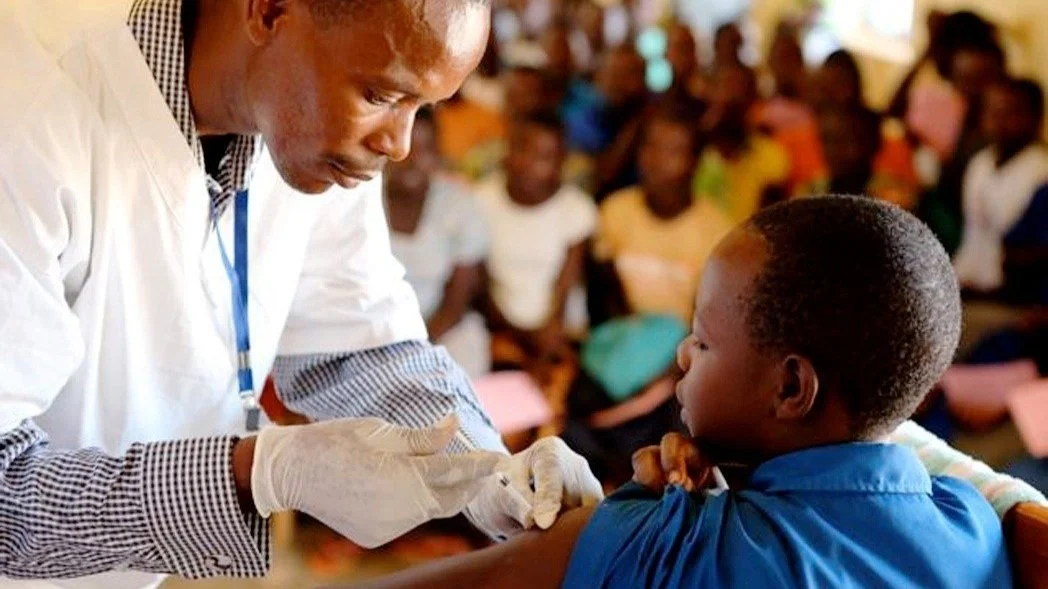
Vaccination programmes are among the most successful services provided by Primary Healthcare Centres.
Children receive vaccines against diseases such as:
Polio
Tuberculosis
Measles
Hepatitis B
Diphtheria
Pertussis
Tetanus
Routine immunization protects children from life-threatening illnesses while supporting national public health goals.
PHCs educate couples and individuals about reproductive health and provide various family planning options.
These include:
Birth control counselling
Contraceptive methods
Reproductive health education
Pregnancy spacing guidance
Family planning contributes to healthier families and improved maternal health.
Preventing disease is often more effective than treating it.
Primary Healthcare Centres educate communities on:
Personal hygiene
Nutrition
Sanitation
Safe drinking water
Malaria prevention
HIV/AIDS awareness
Child nutrition
Healthy lifestyles
Community education helps reduce preventable diseases across Nigeria.
Primary Healthcare Centres diagnose and manage common medical conditions including:
Malaria
Typhoid fever
Respiratory infections
Skin infections
Minor injuries
Diarrhoeal diseases
Hypertension screening
Diabetes screening
Early treatment prevents complications and reduces healthcare costs.
PHCs play an important role during disease outbreaks by:
Reporting infectious diseases
Conducting disease surveillance
Monitoring community health
Supporting vaccination campaigns
Educating residents during outbreaks
This makes them an essential component of Nigeria's public health system.
Many Nigerians live in rural areas where specialist hospitals are unavailable.
For these communities, Primary Healthcare Centres in Nigeria often provide the only accessible healthcare facility within several kilometres.
Their presence helps residents avoid travelling long distances for basic medical treatment.
This improves healthcare access for:
Farmers
Traders
Elderly residents
Pregnant women
Children
Low-income households
Strengthening rural PHCs remains one of the most effective ways to improve national healthcare outcomes.
Despite their importance, many Primary Healthcare Centres face several operational challenges.
Limited funding often affects infrastructure, staffing, medical supplies, and maintenance.
Some centres operate with very few healthcare professionals, making it difficult to serve growing populations efficiently.
Certain PHCs lack modern diagnostic tools and essential medical equipment, limiting the range of services they can provide.
Some centres experience shortages of essential medicines, forcing patients to purchase medications elsewhere.
Poor electricity supply, inadequate water systems, and aging buildings affect service delivery in many communities.
Addressing these issues requires sustained investment and effective management at all levels of government.
Technology is gradually transforming healthcare delivery across Nigeria.
Many Primary Healthcare Centres are beginning to benefit from:
Electronic patient records
Mobile health applications
Telemedicine support
Digital disease reporting
Online appointment systems
Health information management
Technology also makes it easier for patients to search online for nearby healthcare providers through medical service directories in Nigeria.
Finding reliable healthcare should not be difficult.
Medical directory websites help Nigerians locate verified healthcare providers based on:
Location
Services offered
Contact information
Operating hours
Patient reviews
Emergency availability
Whether someone is searching for a Primary Healthcare Centre in Lagos, a community health centre in Abuja, or a medical clinic in Port Harcourt, an organized healthcare directory simplifies the process.
For healthcare providers, listing their services online increases visibility and helps patients make informed decisions.
When searching for a Primary Healthcare Centre, consider the following factors:
Choose facilities staffed by licensed healthcare professionals with experience in primary care.
Different centres may offer different services. Confirm that the facility provides the care you need before visiting.
A nearby healthcare centre reduces travel time and makes emergency visits easier.
A clean and well-maintained facility often reflects strong healthcare management practices.
Centres that maintain adequate drug supplies can provide faster treatment and reduce the need for referrals.
Positive feedback from other patients can provide useful insight into the quality of care offered.
Over the years, Nigeria has introduced several initiatives aimed at improving Primary Healthcare.
These efforts include:
Renovating healthcare facilities.
Recruiting additional healthcare workers.
Expanding immunization programmes.
Improving maternal healthcare.
Strengthening disease surveillance.
Increasing access to essential medicines.
Promoting universal health coverage.
Continued collaboration between government agencies, healthcare professionals, development partners, and private organizations remains essential for building a stronger healthcare system.
The future of healthcare in Nigeria depends heavily on strengthening Primary Healthcare Centres.
With growing investment in healthcare infrastructure, digital health technologies, workforce development, and community-based services, PHCs have the potential to deliver even more comprehensive care to millions of Nigerians.
Medical service listing platforms also have an important role to play by connecting patients with verified healthcare providers, increasing awareness of available services, and making healthcare information easier to access.
As internet usage continues to grow, more Nigerians are relying on online searches to find trusted clinics, hospitals, pharmacies, diagnostic centres, and Primary Healthcare Centres. A well-maintained healthcare directory bridges the gap between patients and providers, helping people receive timely medical attention.
Primary Healthcare Centres remain the cornerstone of healthcare delivery in Nigeria. They provide affordable, accessible, and essential medical services that improve the quality of life for millions of people across both urban and rural communities.
From maternal healthcare and childhood immunization to disease prevention, health education, and treatment of common illnesses, these centres perform a critical role in promoting healthier communities. Despite challenges such as inadequate funding, staffing shortages, and infrastructure limitations, Primary Healthcare Centres continue to serve as the first line of defence against disease.
For individuals searching for trusted medical services in Nigeria, using a reliable healthcare directory makes it easier to locate Primary Healthcare Centres, hospitals, clinics, pharmacies, laboratories, and other healthcare providers nearby. By connecting patients with verified medical facilities, healthcare listing platforms contribute to better access, informed decision-making, and improved health outcomes nationwide.
As Nigeria continues to strengthen its healthcare system, Primary Healthcare Centres will remain at the heart of efforts to achieve universal health coverage and ensure that quality healthcare is accessible to everyone, regardless of where they live.
Subscribe to our newsletter and don’t miss anything